Campus Connection
Announcements
Money Matters @ Murphy Library
Careers in Banking Panel on Oct. 27
Witches Brew Bar
UWL In the News
UWL in the News
 John Kovari
Political Science & Public Administration
John Kovari
Political Science & Public Administration
John Kovari, Political Science & Public Administration, presented "Analyzing Tax Increment Finance (TIF) Projects" at the Wisconsin County Treasurers' Association annual conference on Oct. 14 in Superior, WI.
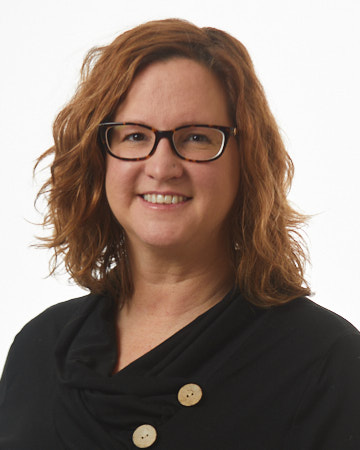 Tisha King Heiden
Biology
Tisha King Heiden
Biology
Tisha King Heiden, Biology, presented "Making Waves: Toxicity of Neonicotinoid Pesticides to Non-Target Aquatic Species" at the UW-Madison Department of Entomology Colloquium on Oct. 16 in Madison, WI.

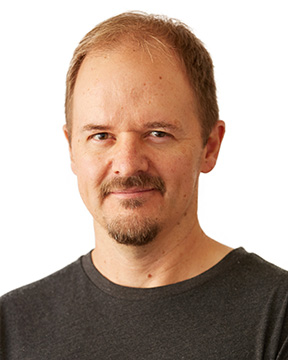 Heather Walder and Kristofer Rolfhus
Archaeology & Anthropology and Chemistry & Biochemistry
Heather Walder and Kristofer Rolfhus
Archaeology & Anthropology and Chemistry & Biochemistry
Heather Walder, Archaeology & Anthropology, and Kristofer Rolfhus, Chemistry & Biochemistry, co-authored the article "Evidence for Contemporary Soil Mercury Contamination From the North American Fur Trade" in Archaeometry, published on Oct. 18 by Wiley.
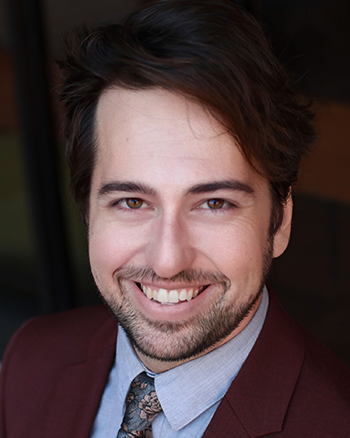




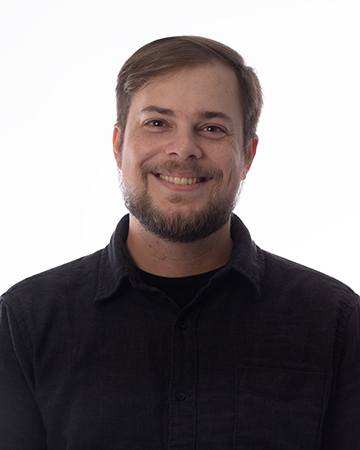

 Nic Barilar, Michelle Collyar, Dave Harlan, Gregory Heathcock, Laurie Kincman, Mandy Kolbe, Nate Mohlman, Gregory Parmeter and Anna Wooden
Theatre & Dance
Nic Barilar, Michelle Collyar, Dave Harlan, Gregory Heathcock, Laurie Kincman, Mandy Kolbe, Nate Mohlman, Gregory Parmeter and Anna Wooden
Theatre & Dance
Nic Barilar, Michelle Collyar, Dave Harlan, Gregory Heathcock, Laurie Kincman, Mandy Kolbe, Nate Mohlman, Gregory Parmeter and Anna Wooden, all Theatre & Dance, presented "The Welkin" as part of the 2026-2027 season in Toland Theatre. The production, directed by Nic Barilar, featured the work of Mandy Kolbe (scenic & lighting design), David Harlan (sound design), Nate Mohlman (technical direction), Greg Parmeter (fight choreography), and Laurie Kincman (dramaturgy), along with the work of students Miranda Logan (costume design), Coleman Breedlove and Sean Peterson (assistant lighting design), Jack Augustine (assistant sound design), Zoe Zosel (assistant costume design), Ilex Rosen (stage manager), and Sarah Glazer (assistant stage manager). It ran October 16-25.
 Mike Olson
Murphy Library
Mike Olson
Murphy Library
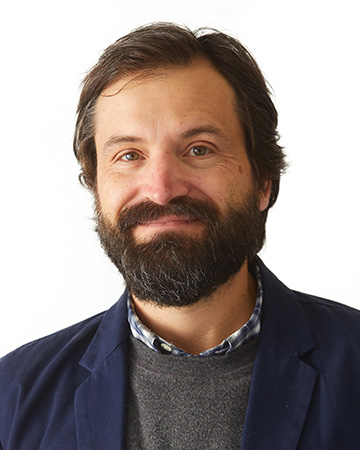
Mike Olson, Murphy Library, authored the chapter "Learning Machines: Artist Keith Walsh’s Critical Visual Literacy in Activism" in "Illuminating Perspectives Through Critical Visual Literacy," published on Oct. 15 by Purdue University Press. Situated within the ACRL Framework for Visual Literacy in Higher Education, the chapter explores connections between critical visual literacy, information literacy and library instruction. Through artist-activist Keith Walsh’s political infographics, it considers how visual information can function as a form of research, teaching, knowledge creation and activism.
 Ross Vander Vorste
Biology
Ross Vander Vorste
Biology
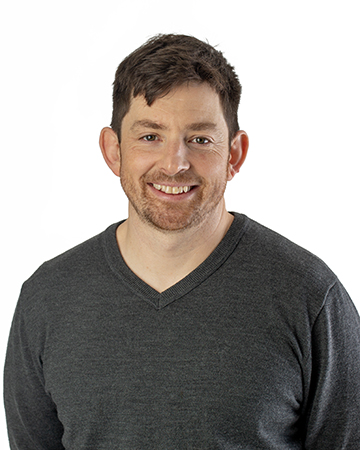
Ross Vander Vorste, Biology, presented "Scaling from lessons to courses: the River Studies Field Course at UW-La Crosse" at River Field Studies Network on Oct. 19 online. Vander Vorste provided an overview of designing and implementing a multi-day river field course. Participants were faculty and scientists from various universities and organizations interested in designing their own field courses.
 Faith Bussiere, Tara Delong and Lerato Maja
Recreation Management & Recreational Therapy
Faith Bussiere, Tara Delong and Lerato Maja
Recreation Management & Recreational Therapy
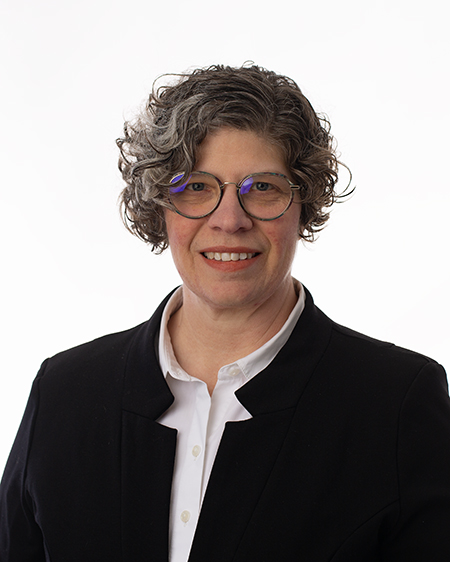
Faith Bussiere, Tara Delong and Lerato Maja, all Recreation Management & Recreational Therapy students, were interviewed by Channel 8 News on Oct. 19. RTH 492 Mindful Connections program joined news 8000 for their Mindful Monday to share details about the 5-week activity program.
Participants join sessions organized around activities such as mindful yoga, sensory exploration, and mindful bingo. The new/novel experiences are good for the brain and layered with the social experiences of working with college students to create a powerful experience.
 Andrew Jagim
Health Professions
Andrew Jagim
Health Professions
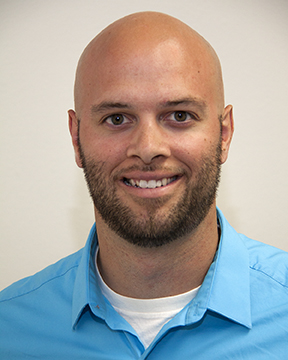
Andrew Jagim, Health Professions, authored the article "Resting Metabolic Rate in Collegiate Male Wrestlers: Cross-Validation and Development of Prediction Equations" in the journal of Medicine & Science in Sports & Exercise published on Wednesday, Oct. 21 by Ovid. The article highlights the development of a prediction equation to help wrestlers understand their fueling requirements.
 Kelly Peter
Murphy Library
Kelly Peter
Murphy Library
Kelly Peter, Murphy Library, presented "What Gets Preserved When We Remediate: Accessibility as Visual Memory Work" at the International Visual Literacy Association on Oct. 7 in Charleston, SC. This presentation examined accessibility remediation as visual memory work, exploring how library web governance, digital design, and Title II compliance shape visual literacy, institutional narratives and collective memory.
 Jon Ailabouni
Music
Jon Ailabouni
Music
Jon Ailabouni, Music, is featured as a trumpeter and composer on "Our Harvest," the newest album from the Iowa Jazz Composers Orchestra, released on Oct. 15 on Sky Deck Music. Ailabouni is featured as a soloist on Gates Thomas' arrangement of Bix Beiderbecke's "Davenport Blues" and Mike Conrad's arrangement of Ailabouni's composition "Fraught Hope Blues."
 Agatha Hultquist
Political Science & Public Administration
Agatha Hultquist
Political Science & Public Administration
Agatha Hultquist, Political Science & Public Administration, authored the article "How does political fragmentation within dominant ethnic groups shape whether challenger organizations use electoral politics, nonviolence, or violence? Evidence from Sri Lanka" in Journal of Peace Research published on Oct. 9 by Oxford University Press. This study examines why challenger organizations representing politically disadvantaged ethnic groups choose elections, nonviolence, or violence to pursue their goals. It finds that unlike fragmentation within these disadvantaged groups, which leads challenger organizations to engage in civil war, fragmentation within the politically dominant ethnic group creates incentives for challenger organizations to use elections and nonviolence.
Remembering
Alumnus Carlos Pagán, '75, died June 7. For more information see the obituary.
Alumnus Lee Melvin Nordrum, '58, died Oct. 6. For more information see the obituary.
Alumnus Thomas "Tom" Fitzpatrick, '66, died Oct. 8. For more information see the obituary.
Thanks to Amber Christianson, Career Services, for helping our office bring on two new student interns so late in the fall semester and for guiding us through this process with efficiency and patience!
— Office of Research & Sponsored Programs (ORSP)
Toro 5 HP Snowblower — Toro 5 HP Snowblower, CCR-3000 GTS with Suzuki engine which runs well. Needs scraper bar. $35. For more information, contact Tom Aiuppa at 608.780.5422 or Aiuppa.thom@eagle.uwlax.edu